What Is Pilonidal Sinus Treatment?
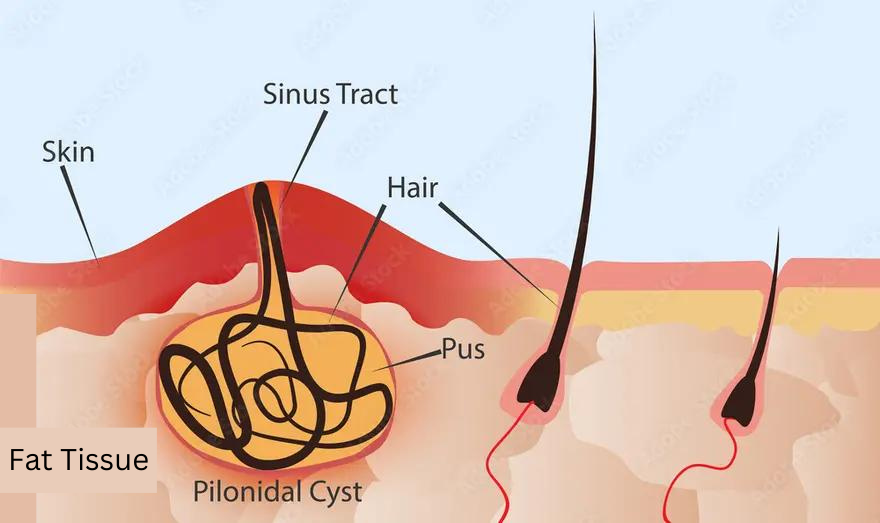
A pilonidal sinus is a chronic infection or cyst that develops near the tailbone (natal cleft), often containing hair and debris. It can cause pain, swelling, discharge, and recurrent infections if left untreated. Dr. Prabhakar Sangle offers advanced and minimally invasive laser treatment for pilonidal sinus to effectively remove the sinus tract while preserving healthy tissue, ensuring faster healing and improved comfort.
What Causes Pilonidal Sinus?
- Ingrown hair in the natal cleft region
- Prolonged sitting and sedentary lifestyle
- Excess sweating and poor local hygiene
- Repeated friction or pressure near the tailbone
- Obesity or deep natal cleft
- Recurrent or inadequately treated previous sinus infection
Pilonidal Sinus Treatment by Dr. Prabhakar Sangle:
- Detailed Clinical Examination: A careful examination is performed to assess the extent of the sinus, number of tracts, and presence of active infection.
- Accurate Diagnosis & Treatment Planning: Based on findings, a personalized treatment plan is designed using laser or minimally invasive techniques.
- Laser Pilonidal Sinus Treatment: Laser energy is used to ablate the sinus tract from inside without making large incisions, resulting in minimal pain, reduced bleeding, and faster wound healing.
- Minimal Tissue Damage & No Large Cuts: The procedure preserves surrounding healthy tissue, avoiding large surgical wounds and reducing the need for frequent dressings.
- Post-Treatment Care & Hygiene Guidance: Patients are advised on wound care, hygiene, hair removal, and lifestyle modifications to promote healing.
- Prevention of Recurrence: Guidance on long-term preventive measures is provided to minimize the risk of sinus recurrence.
- Follow-Up & Complete Recovery Monitoring: Regular follow-ups ensure proper healing and early detection of any recurrence.
With expertise in minimally invasive laser treatment for pilonidal sinus, Dr. Prabhakar Sangle provides safe and effective care focused on faster healing, fewer dressings, minimal discomfort, and reduced recurrence. His patient-centric approach allows individuals to return to normal daily activities quickly and comfortably.