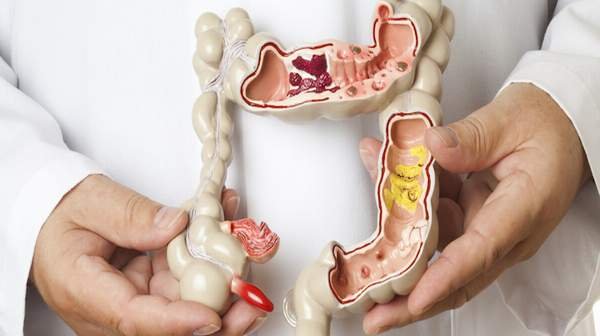
What Is Rectal Bleeding Diagnosis?
Rectal bleeding refers to the passage of blood during or after bowel movements and should never be ignored. It may appear as fresh red blood, blood mixed with stools, or blood on toilet paper. Rectal bleeding can be caused by various anorectal conditions ranging from minor issues like piles to more serious infections. Dr. Prabhakar Sangle provides accurate and timely diagnosis of rectal bleeding using anoscopy and proctoscopy to identify the exact cause and plan appropriate treatment.
What Can Cause Rectal Bleeding?
- Piles (internal or external hemorrhoids)
- Anal fissure causing tear and pain
- Anal fistula or chronic infection
- Anorectal infections or abscess
- Inflammatory conditions of the rectum
- Other anorectal or digestive disorders
Rectal Bleeding Evaluation by Dr. Prabhakar Sangle:
- Detailed Clinical History: Assessment of bleeding pattern, pain, bowel habits, associated symptoms, and medical history to understand the possible cause.
- Physical & Anorectal Examination: A careful examination of the anal region is performed to detect visible causes such as fissures, external piles, or infection.
- Anoscopy: A simple and effective procedure to examine the anal canal and identify internal piles, fissures, or sources of bleeding.
- Proctoscopy: Allows detailed visualization of the rectum to accurately diagnose deeper anorectal conditions and confirm the bleeding source.
- Diagnosis & Treatment Planning: Once the cause is identified, a customized treatment plan is prepared for effective and targeted management.
- Early Detection of Complications: Prompt diagnosis helps prevent progression to chronic conditions such as fistula or severe infection.
- Follow-Up & Monitoring: Regular follow-up ensures symptom resolution and effective control of the underlying cause.
With accurate diagnostic tools like anoscopy and proctoscopy, Dr. Prabhakar Sangle ensures early and precise identification of the cause of rectal bleeding. His methodical and patient-focused approach helps initiate timely treatment, prevent complications, and restore anorectal health—providing patients with clarity, relief, and confidence in their care.